E30 M3 Buyer's Guide: What Six Figures Actually Buys
The E30 M3 is now a blue-chip car, which means the market punishes shortcuts. Here is what separates a $70,000 driver from a $250,000 example.
Marcus Feld · August 30, 2026 · 11 min read
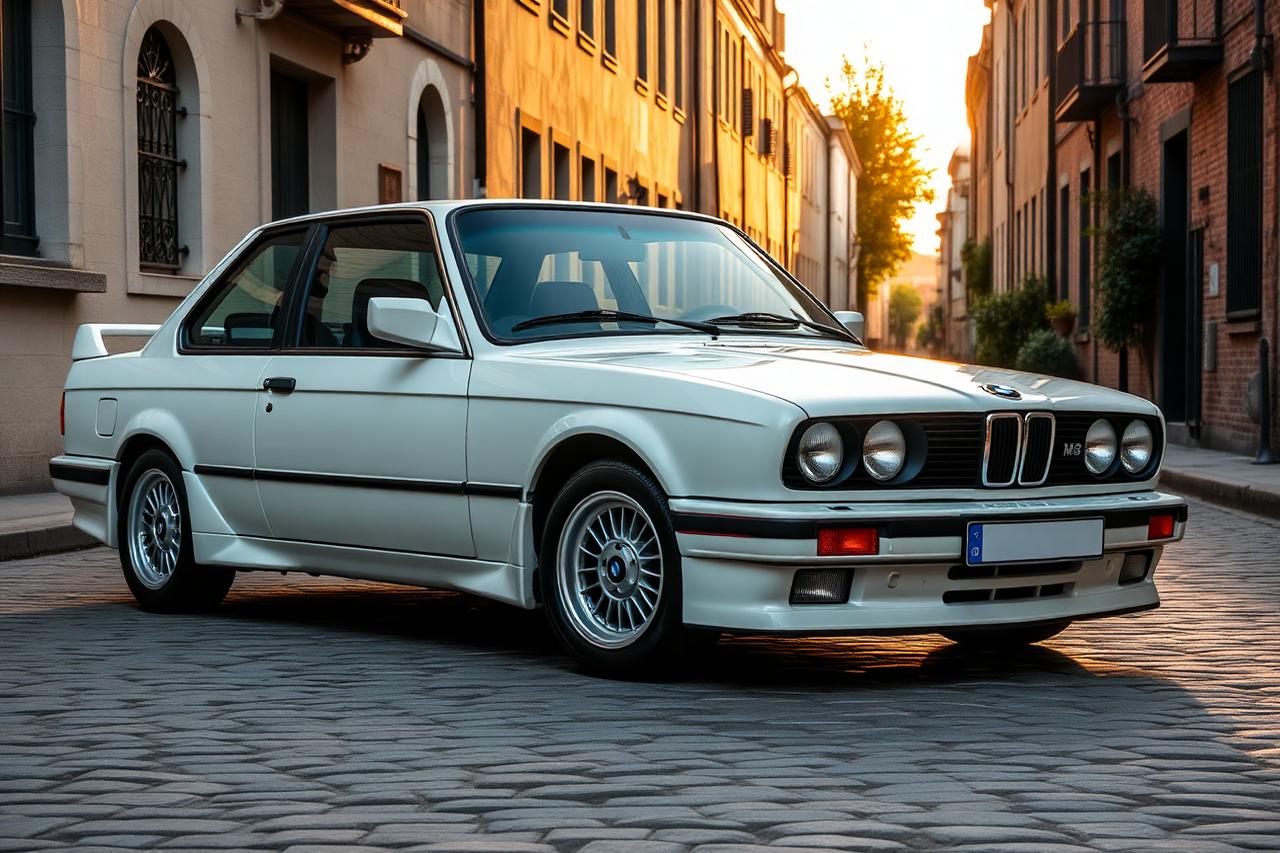
The E30 M3 stopped being a used BMW some time around 2014. What replaced it is a collector market with the same rules as any other: originality, documentation and condition set the price, and everything else is negotiation.
Start with the shell
Rust is the single largest financial risk. Check the battery tray, the strut towers, the rear arches behind the flares, the sunroof drains and the seam where the rear valance meets the quarter panels. A car that has been resprayed once in its original colour is normal. A car with fresh underseal hiding fresh filler is a project priced as a driver.
The S14 is strong but not cheap
The four-cylinder S14 will run past 200,000 miles with attention, but timing chain guides, valve adjustments and the throttle body assembly are all recurring costs. Budget for a top-end service if there is no evidence of one in the last 60,000 miles. Listen for rattle at cold start and check the oil pressure gauge at idle when hot.
Originality is where the money sits
Matching numbers, unmolested wiring, original ECU and the correct sport seats all matter. Cars converted to individual throttle bodies, standalone engine management or later brake setups drive better and sell for less. Keep the original parts if you buy one.
What to pay
Driver-grade cars with honest paint and higher mileage trade in the seventy to ninety thousand range. Well-documented low-mileage cars in original paint clear one hundred and fifty. Sport Evolution, Evo II and the Cecotto and Ravaglia specials are their own market entirely.
Comments
0- No comments yet. Be the first.