BMW F90 M5
M xDrive arrives and the M5 becomes genuinely all-weather — with a 2WD mode that turns it back into a 600 hp rear-drive sedan on demand.
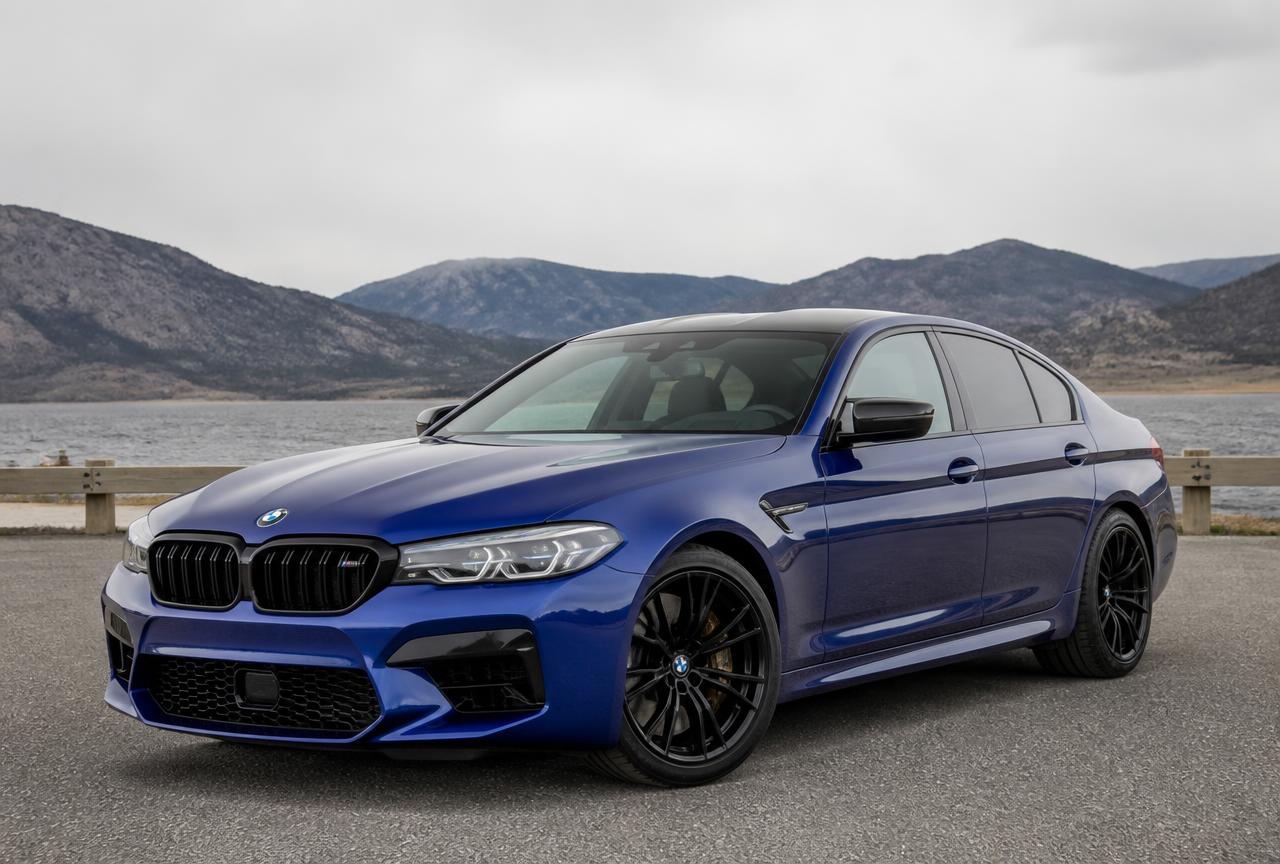
The F90 is the first all-wheel-drive M5, and it is faster than the F10 by a margin that is hard to overstate: 0–60 mph in under three seconds, from a four-door sedan with a full leather interior.
The clever part is the M xDrive system's 2WD mode, which disconnects the front axle entirely and turns the car into a very powerful rear-drive sedan for anyone brave enough. Traction and hooliganism, on a switch.
Mechanically it is a further-developed S63 with a torque-converter automatic replacing the DCT — smoother, more durable, and better suited to the torque. It is the most complete M5 to date.
Year by year
- 2018–2019
Launch at 600 hp; First Edition (400 cars) in Frozen Dark Red. Competition arrives for 2019 with 617 hp and stiffer suspension.
- 2020–2021
LCI facelift with revised lighting, updated iDrive and interior improvements. Competition becomes the volume model.
- 2022–2023 — CS
M5 CS with 626 hp, carbon buckets, 154 lb lighter and gold-bronze accents. 1,000 built worldwide; instantly collectible.
The good and the bad
Positives
- +Sub-3-second acceleration with genuine all-weather usability
- +2WD mode preserves the rear-drive experience
- +Torque-converter automatic is smooth and durable
- +Comfortable, quiet and genuinely luxurious in touring mode
- +Massive tuning headroom — 750+ hp with software and downpipes
Negatives
- −Very heavy and it feels it in slow corners
- −S63 consumables and maintenance remain expensive
- −Brake feel with the standard integrated braking system divides opinion
- −Carbon ceramic replacement costs are extraordinary
- −Depreciation on standard cars is steep
Known faults and what they cost
- Cooling system and charge air components$1,500–$3,500
Sustained hard use is demanding; verify condition on tracked cars.
- Integrated brake system faults$1,500–$4,000
Some cars have reported brake actuator issues; check for stored codes.
- Oil consumption and gasket leaks$800–$3,000
Valley and turbo oil line leaks appear with age and heat cycling.
- Wheel and tire damage$1,500–$4,000
20-inch wheels with low-profile tires; bent rims are common.
Pre-purchase inspection checklist
- 01Full scan for brake system, drivetrain and boost-related fault codes
- 02Confirm all recalls and software updates completed
- 03Check for tune evidence and ask about the car's use history
- 04Inspect brakes closely; ceramic replacement is a five-figure item
- 05Verify Competition or CS equipment through option codes
- 06Check for kerb and pothole damage to wheels and suspension
Modifications for longevity
- Oil every 5,000–7,500 miles
Shorten from the factory interval, especially with any tune.
- Transmission and differential fluid
Every 40k miles despite 'lifetime' claims.
- Cooling inspection
Annual inspection of radiators and charge coolers; essential for tracked cars.
- Brake system service
Fluid every two years; the integrated system is sensitive to old fluid.
- Carbon cleaning
Walnut blast intake valves at 60–80k miles.
Modifications for performance
- 01Tires
A modern high-performance tire is the single biggest improvement for a 4,300 lb car.
- 02Stage 1 tune
680–720 hp on stock hardware with no driveability penalty.
- 03Downpipes and intake
750+ hp on pump gas; e85 blends push further.
- 04Turbo and fueling upgrades
900–1,000 hp territory with supporting cooling and drivetrain work.
What they are worth
Competition cars dominate supply and have depreciated substantially, making them exceptional value. First Edition and CS cars trade in their own tier.
The CS in particular has held value strongly. Look for full service history and evidence the car has not lived on a dyno.
Owner discussion
0- No comments yet. Be the first.