BMW XM
The first standalone M model since the M1: a 6,000 lb plug-in hybrid SUV with divisive styling, a vault-like interior and genuinely startling performance.
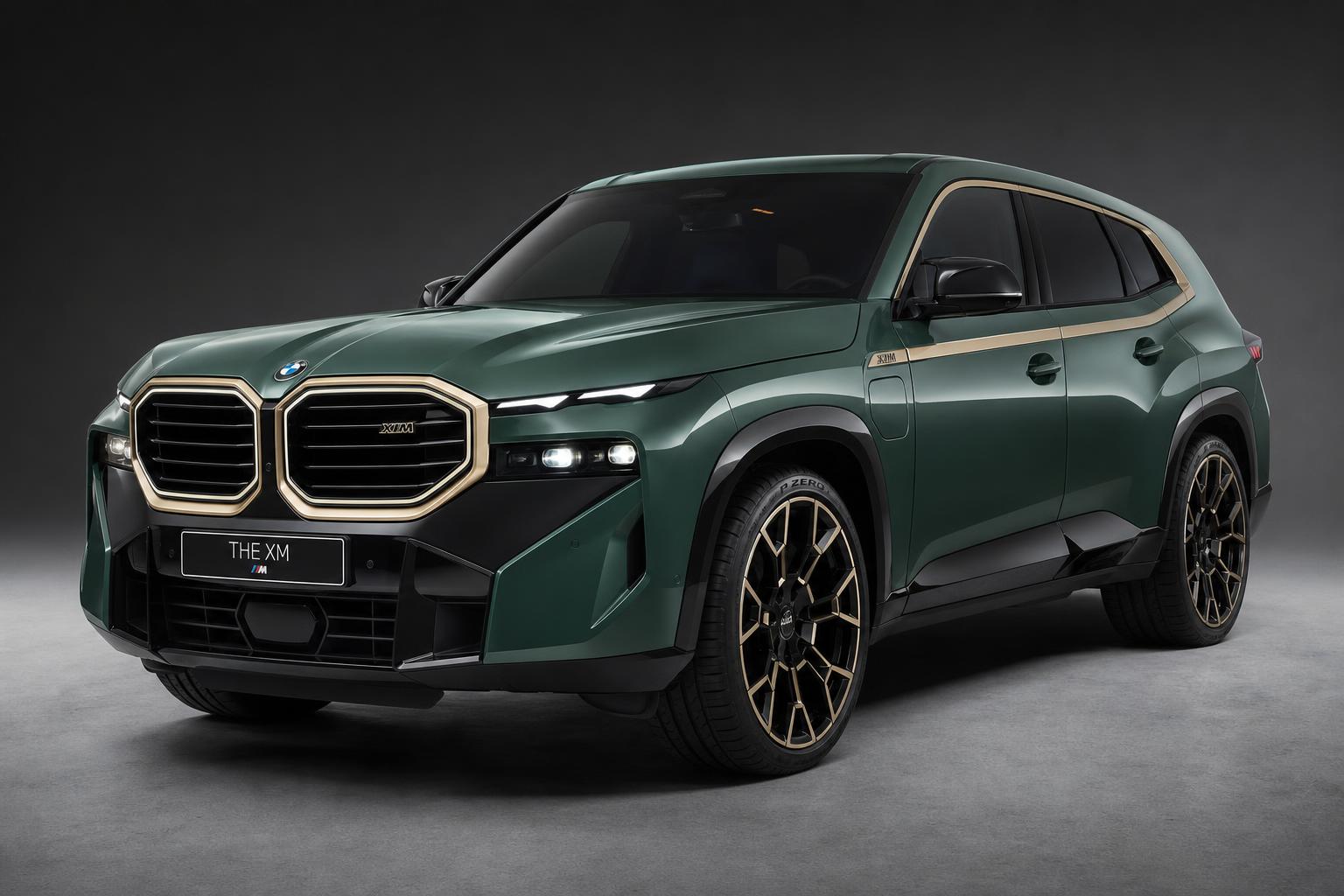
The XM is only the second vehicle designed from the ground up as an M model, after the M1 in 1978. It is a plug-in hybrid, it weighs more than 6,000 lb, and it makes 644 hp — or 738 hp in Label Red trim.
The interior is the most lavish M has produced, with a sculpted headliner, extensive leather and a genuinely luxurious rear compartment. It can also run around 30 miles on electricity alone.
It is a difficult car to place. As a fast luxury SUV it is impressive; as an M car it is contentious. Depreciation has been steep, which makes used examples an interesting proposition for anyone who wants what it offers.
Year by year
- 2023
Launch at 644 hp. Extensive standard equipment including air suspension, active roll stabilisation and rear-wheel steering.
- 2023–2024 Label Red
738 hp and 738 lb-ft; the most powerful production BMW at the time of launch. 50 Jahre M edition also offered.
- 2025–present
Range rationalisation; option and colour updates through the M Individual programme.
The good and the bad
Positives
- +The most powerful production BMW models at launch
- +Genuinely luxurious interior with a unique design language
- +Around 30 miles of electric-only range
- +Rear-wheel steering and active roll stabilisation make it surprisingly agile
- +Steep depreciation creates used-market value
Negatives
- −Over 6,000 lb — physics eventually wins
- −Styling is the most divisive BMW has produced in decades
- −Hybrid complexity and unproven long-term costs
- −Very expensive new and depreciating quickly
- −Tire and brake costs are extreme
Known faults and what they cost
- High-voltage system serviceSpecialist labour
Requires certified technicians; many independents will not touch it.
- Air suspension components$2,000–$4,000
Complex air suspension with active roll stabilisation; failures are expensive.
- Tire wear$2,500–$3,500 per set
23-inch wheel options and enormous mass destroy tires.
- Software calibrationWarranty updates
Hybrid drivetrain behaviour has been refined via updates; keep the car current.
Pre-purchase inspection checklist
- 01Check high-voltage battery state of health via diagnostics
- 02Verify all software updates and campaigns are complete
- 03Test air suspension at all ride heights and check for leaks
- 04Inspect tire wear and check wheel condition — 22 and 23-inch options are vulnerable
- 05Confirm charging equipment is present and functional
- 06Review service history and confirm dealer-level hybrid servicing
Modifications for longevity
- Follow the hybrid service schedule
Battery coolant and high-voltage checks are part of the plan.
- Oil every 7,500 miles
Regardless of the extended service indicator.
- Air suspension inspection
Catch leaks early to avoid compressor failure.
- Regular charging
Keeps the high-voltage battery healthy; avoid long periods at low charge.
- Tire rotation and alignment
Essential given the mass and torque.
Modifications for performance
- 01Settings and tires
Configure the drive modes properly; fit the best available tire.
- 02Software tune
Available but consider warranty and hybrid system implications carefully.
- 03Exhaust
Improves an otherwise muted V8 note.
- 04Leave the suspension alone
The active systems are deeply integrated; aftermarket changes rarely improve them.
What they are worth
The XM has depreciated sharply, which makes low-mileage used examples strong value for buyers who want the interior and the performance.
Label Red and 50 Jahre M editions hold value better. Verify full BMW service history and hybrid system health on any purchase.
Owner discussion
0- No comments yet. Be the first.